At a glanceAbout: Constipation is a reduction in the frequency of bowel motions along with difficulty passing stools as they Causes: Dehydration, reluctance to defecate (dirty litter trays, pain), obstruction of the colon, low-fibre diets, Symptoms:
Treatment:Find and treat the underlying cause as well as supportive care which can include high fibre diets, increase water consumption, |
What is constipation?
Constipation is the infrequent passage of hard and dry stools. There is no set number of bowel movements a cat must take in a day, but one to two is average. Constipation can affect cats of any age although it is seen more commonly in middle-aged to elderly cats.
Chronic constipation can lead to a condition known as megacolon, in which the colon becomes abnormally dilated and enlarged and loses its ability to contract. This may ultimately lead to obstipation, which is a complete blockage.
Causes of constipation in cats
- Dehydration: One of the most common causes of constipation in cats is due to dehydration. Water is reabsorbed from the colon and if the cat is dehydrated, the body will try to conserve water by removing additional water from the stool. Dehydration can develop due to inadequate water intake or increased water loss.
- Reluctance to defecate: Dirty litter trays, not wanting to share a litter tray, incorrect placement of a litter tray or go outside (if it’s raining or cold).
- Obstruction of the colon: Birth defects, hairballs, cancer, polyps or a foreign object.
- Dietary: Low fibre diets or eating food that contains hair and bones.
- Drugs and medications: Antihistamines, diuretics, painkillers, and antibiotics can cause constipation in the cat.
- Painful defecation: Causes include impacted anal glands, perianal bite abscess, growths, colitis, strictures, fractures and arthritis.
- Neurological: Including damage to the nerves in the colon and anus, Manx syndrome, spinal cord injury, paralysis.
- Pelvic injuries: Car accidents or trauma which lead to fractures narrowing the pelvic canal.
- Metabolic/hormonal: Low potassium (hypokalemia), kidney failure, hypothyroidism and parathyroid glands.
- Idiopathic. Sometimes it is not possible to find a cause of constipation.
Symptoms of constipation in cats
As one would expect, the most obvious sign of constipation is straining in the litter tray. After a period of straining, the cat may pass small hard/dry feces and may cry in pain as he attempts to defecate.
As the condition progresses other symptoms may include:
- Crouching and straining for prolonged periods in the litter tray, with either no feces being passed or small, hard, dry stools
- Blood on the stool or around the anus
- Defecating outside the litter tray
- Lethargy
- Abdominal pain
- Vomiting
- Depression
- Hunching over, due to discomfort
- Loss of appetite
- Weight loss
Important: A urinary blockage produces similar symptoms to constipation such as frequent trips to the litter tray, genital licking, abdominal pain and crying. When a cat can no longer urinate, toxic waste products build up in the blood.
Urinary blockage is a life-threatening medical emergency and requires immediate treatment.
How is constipation in cats diagnosed?
T veterinarian will perform a physical examination of your cat and obtain a medical history from you. The exam will reveal a hard and full colon which may be painful to the touch.
Diagnostic workup
Baseline tests: Biochemical profile, complete blood count, and urinalysis to check for underlying systemic disorders such as kidney disease or diabetes mellitus which could cause dehydration and electrolyte imbalances.
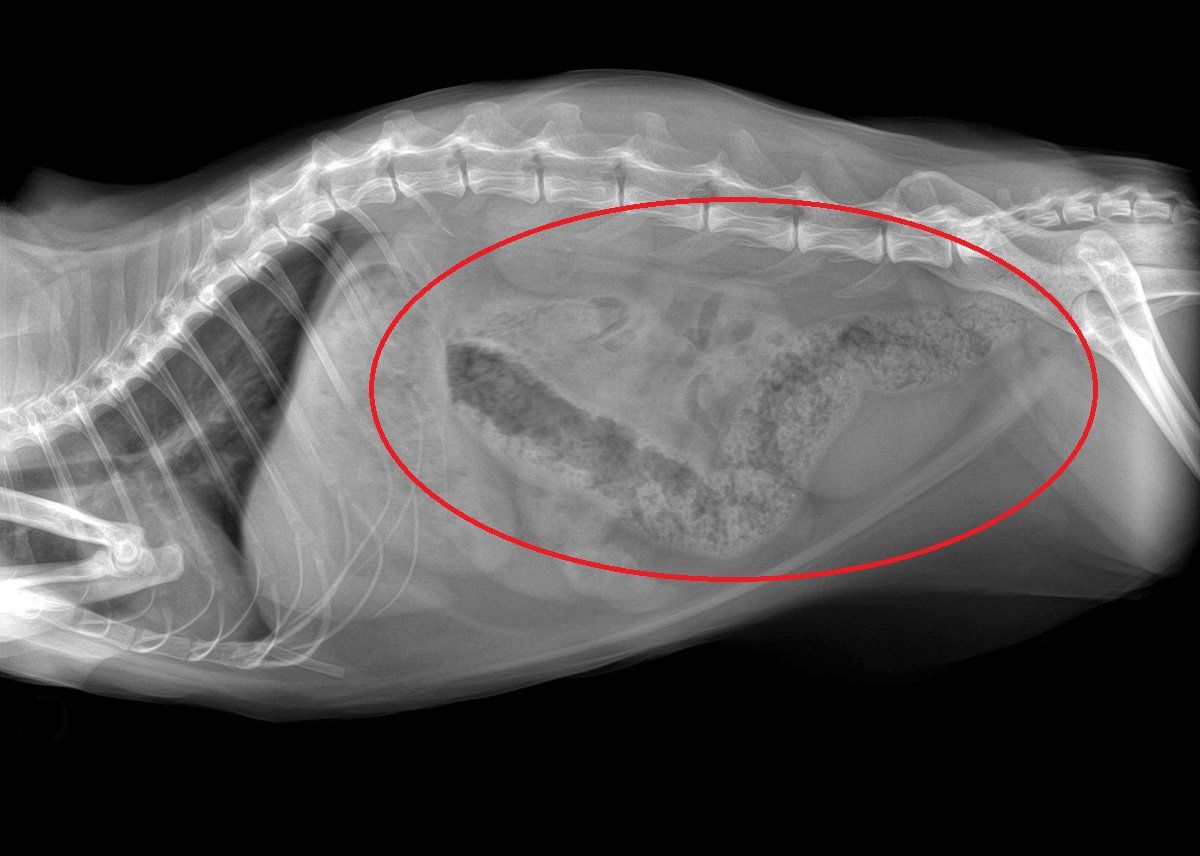
Imaging studies: X-ray of the abdomen and pelvis to assess the size of the colon and to determine the extent of the impaction as well as to check for foreign objects.
Barium studies: Also called an esophagram, upper series or contrast study, a barium study is a diagnostic test to evaluate suspected gastrointestinal disease. Barium sulphate, a white radio-opaque metallic powder, is administered to the cat via syringe into the cheek pouch. Once swallowed, the barium coats the inside walls of the gastrointestinal tract which shows up the structures as bright white on the x-ray. The veterinarian can also monitor the transit time of the barium during this procedure.
Colonoscopy: If cancer is suspected, the veterinarian will recommend a colonoscopy. This procedure involves the insertion of a flexible plastic tube with a light and camera (endoscope) into the colon to look for abnormalities.
Treatment
The goal of treatment is to address the underlying cause, unblock the cat and assist with the formation of soft stools which are easier to pass.
Mild constipation
Mild cases of constipation without accompanying symptoms such as vomiting or depression may be treated on an outpatient basis which will include:
- High-fibre diet or Hills r/d
- Metamucil (psyllium)
- Stool softeners
- Laxatives in well-hydrated cats who are eating and drinking well
Severe constipation
Treatment for severely constipated cats requires hospital treatment.
- Fluid therapy: Correction of fluid and electrolyte imbalances
- Enema: An injection of fluid into the lower bowel via the rectum to flush the bowel of feces.
Medical
- Cathartics: Substances to increase colonic motility which accelerates the passage of feces. This includes hyperosmotic laxatives such as lactulose and polyethylene glycol 3350, or cathartics that irritate and stimulate the mucosa, such as vegetable oils, glycerin and sennosides.
- Laxatives: Substances that assist the passage of feces include bulk-forming laxatives (cellulose or polysaccharides such as cereal grain), and lubricating laxatives (mineral oils) which impair water absorption from the colon and emollient laxatives (anionic surfactants such as docusate sodium) that enable additional water and fats to be incorporated in the stool, which makes it easy to move along the colon.
Surgical
Rectal clear: If medical management fails then mechanical removal of the hard-dry feces will be necessary.
Home treatment
Adding bulk to the diet can help cats with mild constipation. Bulking agents include unprocessed wheat bran and Metamucil. Add approximately 1/2 to 1 teaspoon to food once a day.
Pumpkin is a good way to prevent constipation from occurring as it is high in fibre and has a high water content, both of which help to keep bowel movements regular. Purchase canned pumpkin (unsweetened), or boil and mash fresh pumpkin (seeds and skin removed). Add to ice cube trays and freeze. Feed one defrosted cube of pumpkin a day.
Laxatone is a petroleum gel that helps to lubricate the digestive tract. Add 1/4-1/2 tsp. 2-3 times a week to food.
Increase water consumption, by switching to a raw or canned diet that contains more water, adding additional water bowls or investing in a cat water fountain.
Prevention
- Speak to the veterinarian about hairball diets or add a small amount of lubricant to the food such as petroleum jelly or butter.
- Brush the coat regularly to remove long hairs.
- Regular treatment of parasites.
- Add fibre such as pumpkin or flax seeds to the diet.
- Provide access to clean, fresh drinking water at all times.
- Increase water consumption by switching your cat to a wet diet and encouraging him to drink more.
- Keep the cat’s weight down.
- Ensure the cat gets plenty of exercise with interactive toys.
- Make sure there are enough resources in the house which include multiple litter trays, food and water bowls, perches and cat beds.
Author
-
by
-