What is notoedric mange?
Also known as feline scabies, notoedric mange is a rare but highly contagious and intensely itchy skin disease caused by the mite ‘Notoedres cati‘. Notoedres cati is found worldwide. While rare, they affect cats of any age, breed, and sex.
The head and neck are generally affected although mites can also infect the forelegs, paws, and genitalia, especially if the condition has been allowed to go untreated. The spread of mites is believed to be caused by the cat’s grooming behaviour and also sleeping habits, as most cats like to sleep curled up.
Life cycle of Notoedres cati
The fertilized females work their way deep into the epidermis, forming tunnels where they deposit their eggs.
Notoedres cati spends their entire life cycle on the cat. The mite burrows into the cat’s skin. Along the way, the female lays her eggs. Six-legged larvae emerge. After feeding, the skin is shed and the eight-legged, sexually mature nymph appears. Following several skin molts, the mature adult male is formed. The life cycle of notoedres cati is completed in 2 weeks.
Symptoms
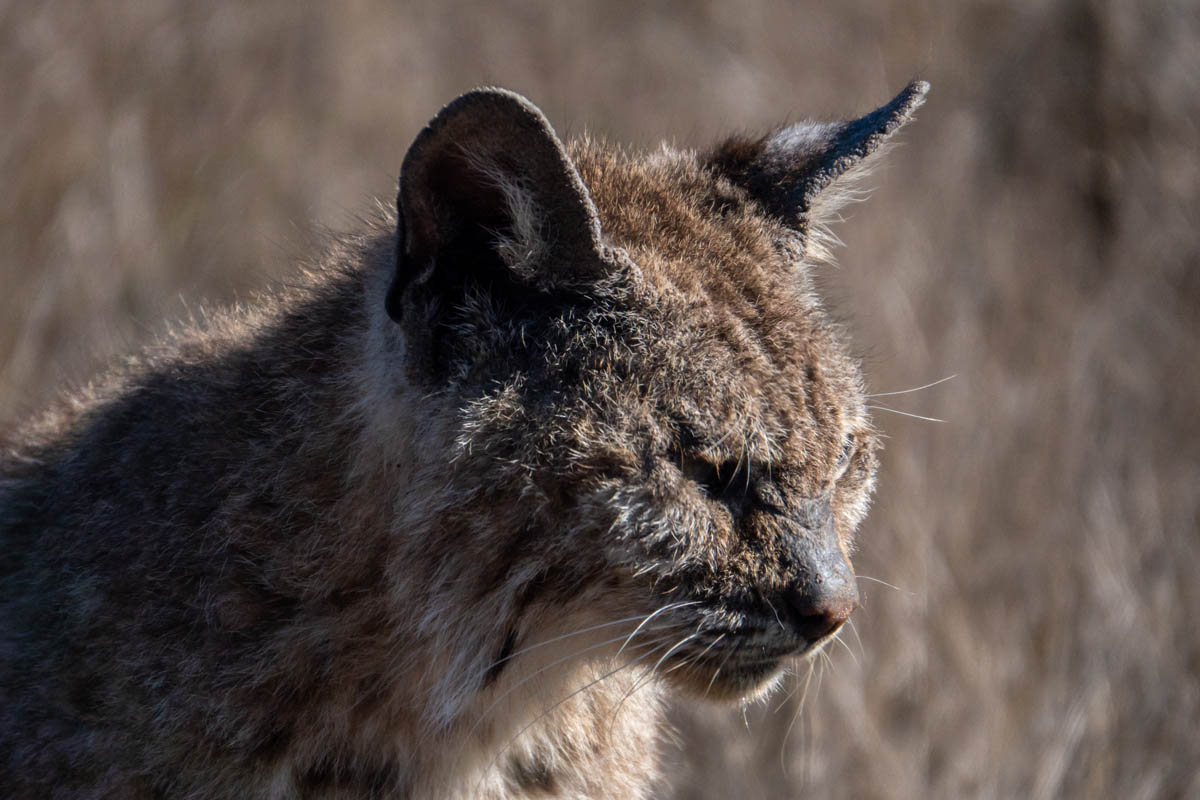
The first sign of notoedric mange is usually intense pruritis (intense itching) along with hair loss and a thick/crusty and scabby appearance to the skin, especially on the tip of the ears. It then progresses to the face and neck, and if untreated can progress to other parts of the body particularly the feet and genital area. View our pictures of mange in cats.
Self-mutilation of the affected areas causes the skin to become raw, red and inflamed, which can cause potentially dangerous secondary bacterial infections.
Transmission
Infection is spread from animal to animal contact and can quickly spread from cat to cat and infest entire litters of kittens.
Diagnosis
Other conditions with similar symptoms may include allergy, dermatophytosis (ringworm), demodicosis and flea bite hypersensitivity.
Diagnosis is made by taking a skin scraping to examine it under a microscope for the presence of mites or mite eggs.
Treatment
If one cat in your household has been diagnosed with this condition then all cats should be treated, even if they show no signs of infection.
There are several possible treatments available for notoedric mange:
- Semi and longhaired cats may need to be clipped. Cleansing of the area to soften thick crusts, followed by a weekly lime sulfur dip at 2.5%.
- Amitraz is another successful dip, this product hasn’t been approved for use on cats, though.
- Ivermectin is given by injection once a week for 4-6 weeks. This treatment hasn’t been approved for use in cats, although reports are that it is safe. According to the Merck website, it has been known to cause death in kittens.
- Revolution: This product is typically a flea and worm product but has shown to be effective on notoedric mange.
All bedding and grooming tools should be thoroughly washed at the same time of treatment.
Can I catch notoedric mange from my cat?
Yes, although in humans notoedric mites only cause mild disease and usually resolve without the need for treatment.
Dogs and rabbits can also be transiently infected but the disease is self-limiting in these species.
Author
-
by
-