Gum disease in cats at a glance
|
What is gum disease?
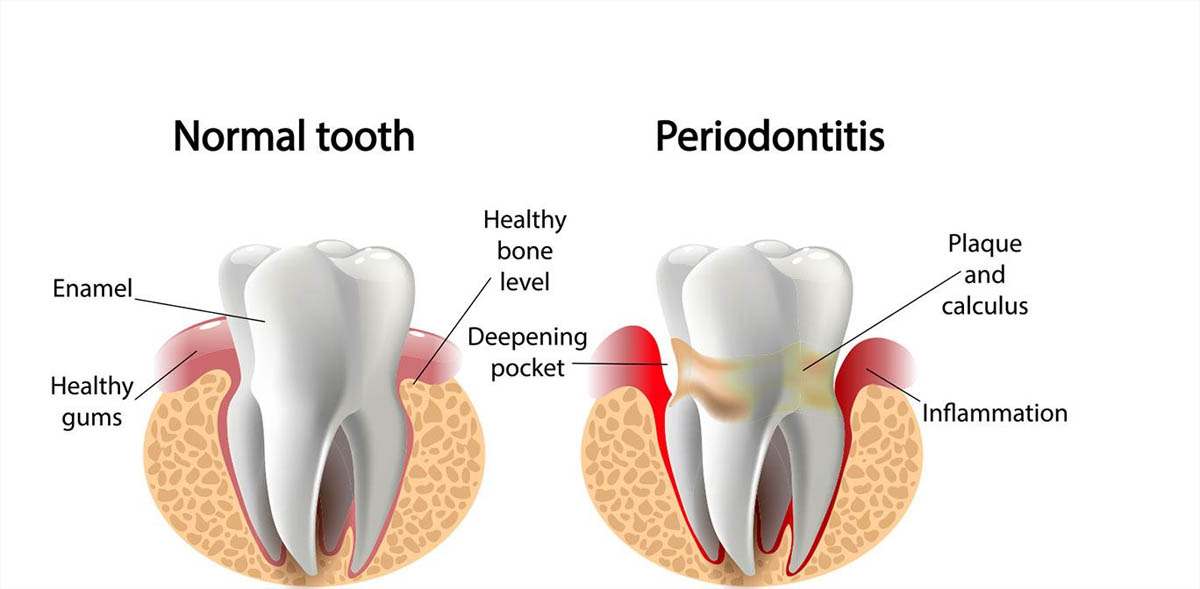
Also known as periodontal disease, gum disease is a common disease affecting up to 70% of cats over the age of three. It occurs when tartar deposits cause chronic infection and inflammation which destroy the supportive structures of the teeth.
Plaque is a sticky biofilm composed mostly of bacteria (predominantly streptococcus), glycoproteins and extracellular polysaccharides which stick to the teeth. If the pet owner doesn’t follow proper dental care, plaque and saliva mineralise to form tartar (also known as calculus). Tartar develops along the gumline and is yellow, which leads to inflammation of the gums, which is known as gingivitis.
At this stage, proper treatment can reverse the problem. Left untreated the tartar begins to collect under the gum line. Irritation occurs in the gums due to toxins produced by the bacteria in plaque, this, in turn, leads to an inflammatory response. Bacterial toxins and inflammation are responsible for the destruction of the periodontal tissues (gingiva or gum, alveolar bone, cementum and periodontal ligament) as gums separate from the teeth, pockets (spaces between the teeth and gums). This pocket serves as a hiding place for plaque, calculus and food and allows bacteria to descend deeper into the dental tissue.
Unhealthy teeth and gums have a more significant impact on the body than just causing bad breath, pain, and infection. As the gums have a rich blood supply, bacteria are readily transported to other organs (liver, kidneys, heart, etc.) in the body, causing damage and even organ failure.
Gum disease is the most common preventable disease in cats under ten.
Risk factors
Genetics, there is a higher incidence in Siamese, Burmese and Maine Coons.
Overcrowding of the teeth and malocclusions.
Soft textured canned food reduces abrasion that can play a role in the removal of plaque from the teeth.
Clinical signs
Cats are experts at masking discomfort and pain, and gum disease can go unnoticed until it has become advanced, which highlights why annual check-ups with the veterinarian are so important. Early intervention avoids unnecessary pain, suffering, expense and prolonged treatment to fix the problem.
- Bad breath
- Unwillingness to eat, dropping food, chewing on one side
- Yellow deposits on the teeth
- Sneezing
- Avoiding dry/hard food in favour of a softer diet
- Drooling
- Pawing at the face
- Pus around the tooth/teeth
- Gums which bleed easily
- Red or swollen gums, especially along the gum line
- Teeth that are loose or missing
- Reluctance to groom/poor coat condition
Diagnosis
The veterinarian will perform a thorough oral evaluation for signs of periodontal disease, such as a build-up of tartar, red and inflamed gums, bad breath. Included in this examination will be periodontal probing, which measures the depth of the pocket around each tooth.
Diagnostic workup:
- Full mouth x-rays: To evaluate the underlying bone and determine the extent of the disease.
- After diagnosis, the veterinarian (or periodontist) will grade the condition to establish how advanced the gum disease is and what treatment is necessary.
Stage 1 – Gingivitis
The gum line is inflamed and swollen; tartar is attached to the tooth; however, there is no attachment loss.
Stage 2 – Mild gum disease
The entire gum is red, inflamed and gums bleed. A pocket forms, tartar extends down to the root and the bone has started to recede.
Stage 3 – Moderate gum disease
The whole gum is swollen and being destroyed due to infection. The pocket deepens, and tartar extends further down the root, there is now extensive bone destruction.
Stage 4 – Advanced gum disease
Attachment loss is now at >50%; there is now a deep pocket with inflammation, severe bone and gum loss have occurred.
Treatment
Treatment will depend on the severity of the condition and will require commitment and compliance from the caregiver as well as a close working relationship with the veterinarian.
The goal is to stop the progression of the disease with good dental hygiene as well as regular dental visits. Most veterinarians will recommend pre-surgical bloodwork to evaluate the overall health of the cat before anesthesia.
- Closed root planing – Cats with mild to moderate gum disease, where the pocket is less than 5 mm deep will have a thorough dental clean both above and below the gum line to remove tartar.
- Gingivectomy – Surgical removal of diseased gum tissue to reduce the depth of the pocket.
- Open flap curettage – Where pocket depth is deep, the veterinarian will need to surgically access the roots by cutting the gums.
- Tooth extraction will be necessary if the above procedures fail to resolve the problem or bone destruction is too severe.
Prevention
- Brush the cat’s teeth daily with a cat toothbrush and pet toothpaste, never use human toothpaste on animals.
- Switch to plaque removing diets such as Hills T/D.
- Feed raw chicken necks or cubed beef 2-3 times a week.
- Schedule an annual veterinary check-up to stay on top of any possible health and dental problems.
Author
-
by
-