About
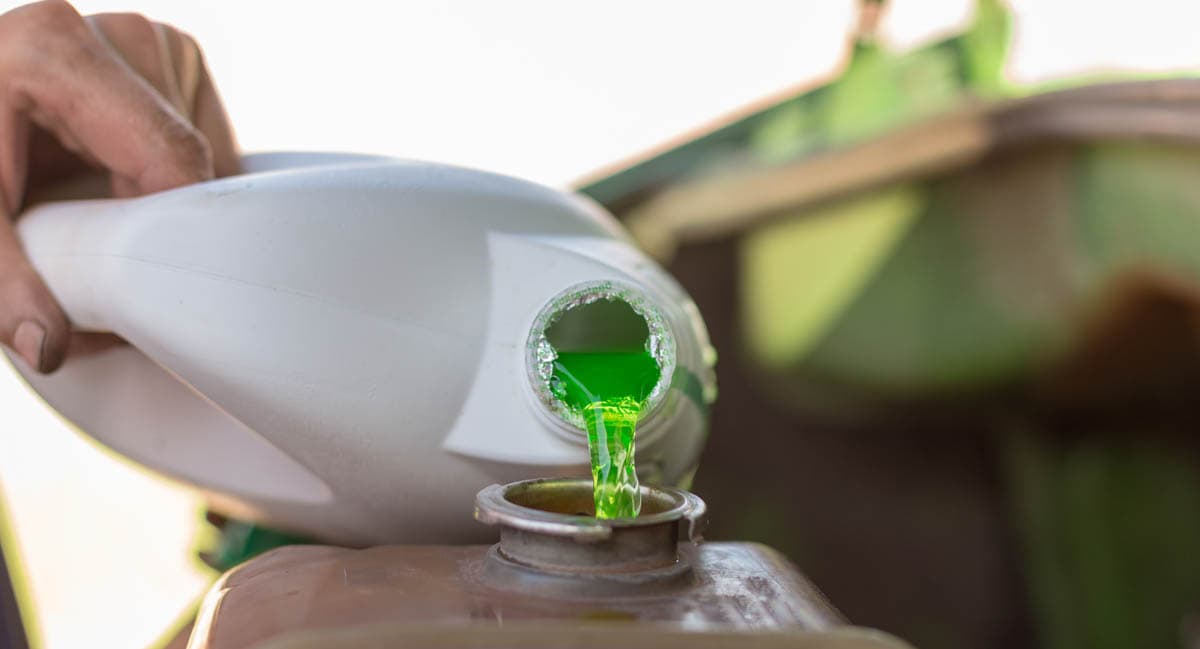
Antifreeze is a common product used in car radiators to lower the freezing point of water in cooler climates. The active ingredient is ethylene glycol (EG), a clear, odourless liquid with a sweet taste, earning it the name ‘sweet killer’.
It is often claimed that cats are attracted to the sweet taste of antifreeze, but cats cannot taste sweet. What is more likely is that accidental ingestion occurs due to spills, which the cat’s coat comes into contact with or if the cat drinks from a contaminated puddle. Antifreeze poisoning is much more prevalent in cool climates, and poisoning rates increase in winter.
Approximately 50% of ethylene glycol is excreted by the kidneys, the remainder is metabolised by the liver and converted into toxic metabolites via alcohol dehydrogenase (liver enzymes) into glycolaldehyde, glycolic acid, glyoxylic acid and finally oxalate. Glycolic acid causes metabolic acidosis; oxalate combines with calcium to form calcium oxalate crystals inside the kidney tubular cells, causing blockage and renal epithelial cell death.
Clinical signs
Signs of poisoning begin very soon after ingestion which occurs in three stages.
1) Central nervous system depression phase
Antifreeze is rapidly absorbed from the gastrointestinal tract causing irritation and an alcohol-like intoxication. Peak blood concentrations occur in approximately 3 hours.
Within 30 minutes to 12 hours of ingestion.
- Your cat will appear intoxicated, stumbling, lack of coordination, dizziness
- Extreme thirst
- Excessive urination
- Seizures
- Vomiting due to gastrointestinal irritation
These symptoms last for approximately 12 hours after ingestion. As CNS depression continues, your cat’s thirst will subside, however, they will continue to urinate excessively due to osmotic diuresis, which can lead to dehydration.
2) Cardiopulmonary Toxicity Phase
Approximately 12 – 24 hours after ingestion.
- Rapid breathing
- Rapid heart rate
- High blood pressure
- Lethargy
- Loss of appetite
3) Renal Toxicity Phase:
Occurs between 24 – 72 hours after ingestion.
- Painful abdomen and/or kidneys
- Cessation of urine output
- Lethargy
- Vomiting
- Rapid breathing
- Diarrhea
- Mouth ulcers
- Depression
- Low body temperature
- Seizures
- Coma
Diagnosis
If the cat has vomited or passed a stool, bring along a sample as this can help your veterinarian diagnose ethylene glycol poisoning. Your veterinarian will take a history from you, including possible exposure to ethylene glycol.
Diagnostic workup:
- A commercial test kit was available for rapid identification of ethylene glycol in whole blood (ethylene glycol test). Known as the REACT Ethylene Glycol Test and produced by PRN Pharmacal. Update 26/11/14-I am not sure if this test is still being produced, as it is no longer listed on their website.
- Urinalysis: To detect the presence of calcium oxalate crystals in the urine (crystalluria) and assess kidney damage. Crystals may be present within 3-6 hours of ingestion. Blood, protein, and glucose may be in the urine.
- Blood Gas: To detect the extent of acidosis.
- Ultrasound is performed on the kidneys to evaluate the size, shape, and condition.
- Serum biochemistry to detect low blood calcium, as a result of calcium oxalate formation, which depletes calcium levels (hypocalcemia). Hyperkalemia (high blood potassium levels) may also occur due to renal failure.
- Some antifreeze products contain the colourant fluorescein, which helps detect radiator leaks. This can cause the cat’s urine to glow a bright green colour when viewed under a woods lamp. However, not all ethylene glycol products contain fluorescein, so the absence of this doesn’t necessarily rule out poisoning.
Treatment
Successful treatment depends on the amount of antifreeze ingested and how fast medical treatment is started. If you suspect your cat has ingested antifreeze, seek veterinary attention immediately.
Treatment is firstly aimed at blocking or decreasing absorption of ethylene glycol and preventing the formation of toxic metabolites, removal of the toxin and treatment of the severe metabolic acidosis.
- Gastric decontamination-Induce vomiting, lavage stomach (washing out the stomach with sterile water or a saltwater solution if ingestion has occurred within the past hour).
- Activated charcoal-The effectiveness of activated charcoal to bind to the toxin is somewhat controversial; some veterinarians will administer it to cats suffering from ethylene glycol poisoning.
- Antidote-Administer ethanol as soon as possible. Ethanol competes with ethylene glycol for alcohol dehydrogenase, the liver enzyme which converts ethylene glycol into its toxic metabolites. Plain vodka has been used when ethanol isn’t available. Don’t try this at home unless you are instructed to do so by a veterinarian, alcohol is toxic to cats, and close monitoring is essential.
- Sodium bicarbonate to correct metabolic acidosis.
Supportive treatment to include correction of fluid and electrolyte derangements. Fluid therapy can also help to increase urine production, which speeds up the removal of toxins from the blood.
What other products contain ethylene glycol?
Photographic developing fluid, hydraulic brake fluid, industrial solvents, some cosmetics, some plants, radiator coolant, decorative snow globes, and air conditioning coolant.
Prevention
- Clean up spills immediately by throwing a bucket of water over them to disperse the liquid.
- Always store products containing ethylene glycol in sealed containers out of reach of cats and children.
- Keep an eye on leaks in your car and repair them as soon as they occur.
- Look for products that contain alternative ingredients; many newer products now contain propylene glycol.
Author
-
by
-