Diabetes at a glanceAbout: Diabetes is a common disease where the cells build up a resistance to insulin, a hormone necessary for glucose to enter the cells, which leads to elevated blood sugar levels. Causes: There are several causes which include obesity, genetic predisposition, Cushing’s syndrome and pancreatitis. Symptoms:
Diagnosis: Elevated blood sugar levels can confirm the diagnosis. Treatment: Dietary modification, increase exercise, drugs to reduce glucose levels or administration of insulin. Pet diabetes month: November. |
What is feline diabetes?
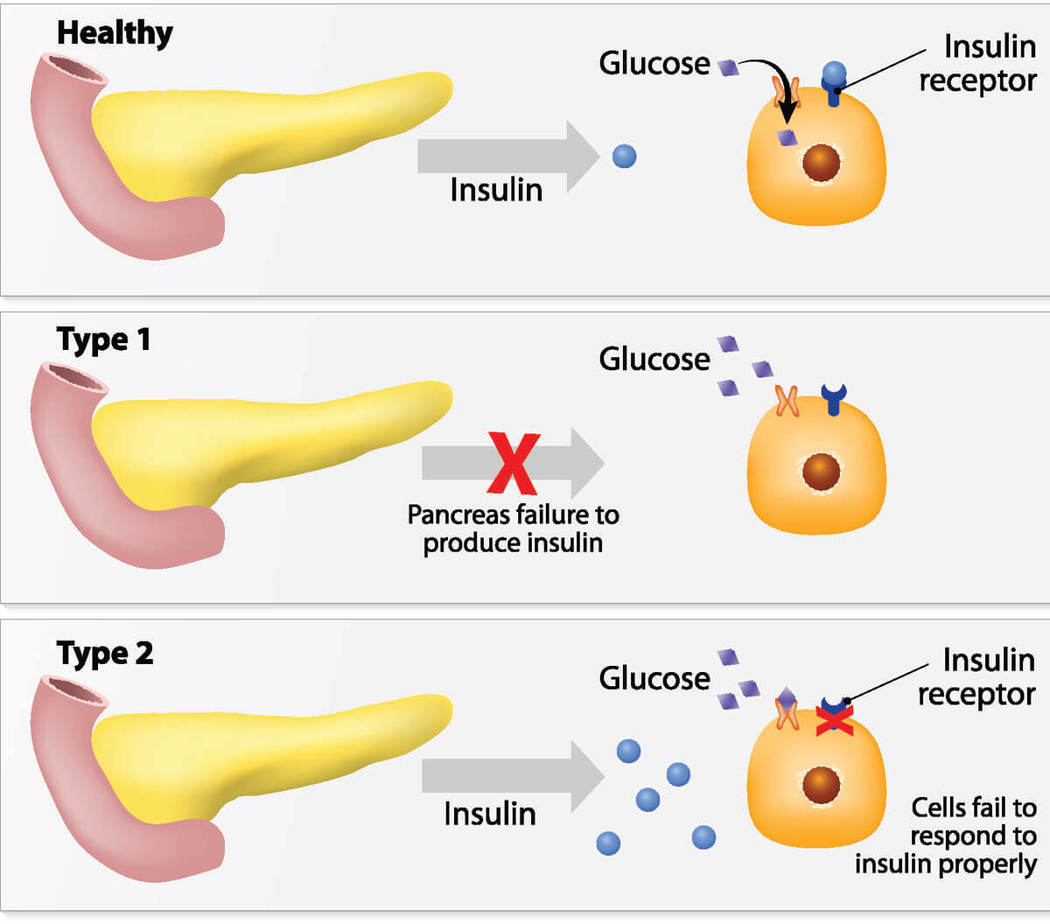
Diabetes mellitus (sugar diabetes/DM) is a common endocrine disorder in cats. There are two types of diabetes, type 1 — in which the pancreas doesn’t produce enough insulin — or type 2 — in which the body’s cells don’t respond appropriately to insulin. Most cats have type 2 diabetes.
Type I diabetes – Cells of the immune system attack and destroy islet cells, which result in a decreased number of cells producing insulin.
Type II diabetes – Cells build up a resistance to insulin (known as insulin resistance), and despite the pancreas producing enough insulin, it is unable to unlock the cells as efficiently.
Pancreatic islet cells produce the hormone insulin. Food is broken down into organic compounds in the small intestine, one of which is glucose, which is taken up by the cells for energy, growth, and repair. As glucose enters the bloodstream, the pancreas matches it with the correct amount of insulin. Insulin acts as a key, unlocking cells that enables glucose to enter them. When insulin arrives at the cell, it stimulates the cell to activate glucose transporters, pulling the glucose through the wall of the cell.
The body can’t function properly if the cells don’t have enough glucose due to decreased insulin or increased resistance to it because it lacks the energy from the glucose.
What is the normal blood sugar level in cats?
Normal levels range from 70 – 150mg/dL (US) or 3.85 – 8.25mmol/L
Risk factors
Diabetes most commonly affects middle-aged to older cats with a mean age of 7 years. The disease has an incidence of between 0.2% and 1%. One Swedish report found that males had twice the incidence of diabetes than females.
Effects of diabetes on the cat |
High blood glucose levelsHyperglycemia (high blood sugar) is a build-up of glucose in the bloodstream as it is unable to enter the cells. Weight lossBecause glucose is unable to enter the cells, the body is starved of energy. The body looks for alternate energy stores and begins to processes fat stores and muscles; the cat starts to lose weight, despite having a healthy appetite. Diabetic ketoacidosis (DKA)If diabetes goes untreated, the body will begin to break down its fat to use as energy. Ketones in the blood are a by-product of the body’s digestion of its own tissues and is a serious condition. As ketones accumulate in the blood, it becomes too acidic. Ketones in blood or urine mean the disease has progressed, requiring immediate veterinary attention. Symptoms of ketoacidosis include loss of appetite, lethargy, vomiting, diarrhea, breath which has a sweet/fruity smell, slow respiration, dehydration, weakness and eventually coma. This is a medical emergency and requires urgent veterinary intervention. Increased urination and thirst (polyuria/polydipsia)High levels of urine are produced when the kidneys attempt to remove excess glucose from the blood. This leads to an increase in thirst. Due to the higher workload placed on the kidneys, they are often the first organs to show signs of damage. RetinopathyHigh blood sugar also has a damaging effect on the tiny blood vessels, which nourish the retina. This is known as diabetic retinopathy and can cause sight issues from the range of mild vision problems to complete blindness. NeuropathyNerve cells are also susceptible to high glucose levels in the blood as the nerve, eye, and kidney cells do not require insulin to take up glucose, so in the diabetic cat, they may take in high levels of glucose from the blood leading to neural toxicity. The hind legs are most commonly affected. Early signs of neuropathy in your cat’s hind legs include walking on the hocks, weakness which may make it difficult for your cat to jump, left untreated the condition can progress to paralysis. Gastroparesis is an inability of the stomach to empty itself of food due to damage to the vagus nerve, which signals the stomach to contract. Once this nerve becomes damaged, it is no longer able to perform this function properly. Diabetic nephropathy (diabetic kidney disease)This rare condition occurs as a result of damage to the glomeruli, which are tiny filtering units in the kidneys due to high blood glucose levels. ImmunosuppressionDiabetes weakens the cat’s immune system, leading to greater susceptibility to infections and slow wound healing due to a delayed response as well as an impaired function of the immune cells. Urinary tract infectionsThese are more common in diabetic cats due to increased amounts of glucose in the urine, which provide a favourable environment for the growth of bacteria. Symptoms of urinary tract infections include frequent urination, painful urination, and often urinating outside the litter tray. |
Symptoms
There are many symptoms of diabetes, depending on the severity and length of time your cat has been a diabetic; you may not see all of these symptoms. Increased thirst, urination, appetite and weight loss are the four most common symptoms of feline diabetes.
- Increased urination (polyuria) – Hyperglycemia (high blood glucose) and ketoacidosis lead to increased urine output as the kidneys remove excess glucose and ketones from the blood via the urine. Ketoacidosis develops when the body looks for alternative sources of fuel and breaks down fat (and muscle) for energy. The breakdown of fat produces waste products called ketones, which are removed from the body via increased urine production.
- Increased thirst (polydipsia) – The increase in urination leads to excess water loss, so your cat tries to compensate by drinking more water.
- Increased appetite (polyphagia) – Because the glucose isn’t able to reach the cells to provide the energy, the body tries to refuel by eating more food.
- Weight loss – Despite an increased appetite, your cat loses weight as his body starts to use fat and muscle as an alternate energy source.
Additional symptoms:
- Vomiting – Diabetes can cause vomiting in several ways. High blood sugar (hyperglycemia) or low blood sugar levels (hypoglycemia), gastroparesis and Ketoacidosis can all cause nausea in diabetic cats.
- Weakness in hind legs – Neuropathy can affect the nerves of the hind legs due to increased blood glucose levels. Weakness can develop and left untreated can progress to paralysis.
- Fruity smelling breath – In cats who develop ketoacidosis, a by-product of fat metabolism is acetone, which is responsible for the sweet, fruity smell on the breath.
- Dehydration – Due to the increase in urination caused by the kidneys trying to remove excess glucose from the blood.
- Poor coat condition (dry/dull coat, dandruff).
It is essential to always be observant of your cat’s general wellbeing, eating, and toileting habits; if you see anything out of the ordinary, seek veterinary advice as soon as possible.
Causes
Obesity is the most common cause of diabetes in cats; sadly more and more cats are becoming overweight. Fat is an important endocrine organ, that is, it secretes several hormones (adiponectin, resistin, and leptin) and cytokines (cell signalling proteins) which control the regulation of insulin. These are collectively known as ‘adipokines.’
Genetic predisposition can cause insulin resistance. Type 1 diabetes is more common. Burmese cats in Australia, New Zealand, and the United Kingdom have a higher incidence of type II diabetes.
Cushing’s syndrome causes elevated blood sugar levels, which can lead to secondary diabetes.
Pancreatitis destroys pancreatic cells, leading to a decreased number of cells able to produce insulin. Some medications (steroids) can also play a role in the development of diabetes.
Acromegaly is a rare endocrine disorder in cats caused by a benign but functional tumour of the pituitary gland which secretes excess levels of Growth Hormone (GH). Increased GH in the blood causes the body to produce too much insulin-like growth factor-1, which can affect how the cat processes glucose.
Diagnosis
Presenting symptoms may be enough for your veterinarian to make a tentative diagnosis. A physical examination may reveal an enlarged liver (hepatomegaly) due to lipid accumulation, weight loss, poor coat condition, and dehydration.
- Urinalysis: May reveal glucosuria (increased sugar levels in the urine). Ketonuria (ketones in the urine) may also show up in the urinalysis. The presence of ketones in the urine indicates that the disease has progressed.
- Biochemical profile: To look for hypokalemia (low blood potassium levels) and hypophosphatemia (low phosphate levels) and hyperglycemia (increased blood sugar levels).
- Fructosamine blood test: Fructosamine is formed when albumin (a blood serum protein) and glucose bond together. This measurement gives an idea of average blood glucose over the preceding two to three weeks. Reduced total protein and hyperthyroidism can cause a decrease in the result. Chronic stress can cause a small increase, but not usually in the same range as diabetes.
Diagnosis based on a single blood test may prove inaccurate as the blood can show elevated glucose levels as a result of stress (transient hyperglycemia). Therefore a diagnosis based on a single blood and/or urine test cannot give a definite diagnosis of diabetes. There are several solutions to this. Perform several blood and urine tests over time. It is best to collect the urine sample from home when the cat is not stressed.
Treatment
There are many possible regimes for the diabetic cat, depending on the severity of the disease. The primary goal is to return blood glucose levels to normal (glycemic control). This can be a fine balancing act that requires careful monitoring to ensure levels don’t become too high or too low. It can take several weeks for your cat’s blood glucose levels to become stable.
- Type 1 diabetes – Daily insulin injections.
- Type 2 diabetes -Dietary management, reduce obesity and if necessary, daily insulin injections.
Dietary modification: Diet alone can manage mild cases. If the cat is not ill and has no ketones, it may be possible to manage diabetes without the use of insulin.
A great deal of focus is now being placed on feeding a high protein and low carbohydrate diet by switching from dry food, which is high in carbs, to canned food or home-prepared diets. Cats in the wild mostly consume protein in their diet; however, most modern pet foods (especially dry foods) contain between 30-70% carbohydrates. In fact, some cats have had their diabetes reversed by switching to a low-carbohydrate diet (diabetic remission).
Commercial diets suitable for diabetic cats include Hills M/D, Royal Canin Veterinary Diet Diabetic and Purina DM. These are available in dry or canned, canned is always preferable.
Weight control: Careful weight loss under the supervision of your veterinarian if your cat is obese or increasing calories/switching to a high-calorie diet in cats who have lost weight due to uncontrolled diabetes.
Increase exercise: Another way to help an overweight cat lose weight is to schedule daily play sessions. All it takes is 10-15 minutes twice a day.
Medications: Oral hypoglycemic drugs (such as Glipizide) may be prescribed to lower blood glucose. The exact mechanism of glipizide isn’t known, but it is thought to stimulate the pancreas to release insulin. This treatment is only effective if the pancreas is still producing some insulin. Your veterinarian will regularly monitor your cat’s blood glucose levels (or ask you to).
Insulin: Administration of insulin under the skin at the back of the neck. Administer every day at the same time.
Individual cats respond differently to insulin, and doses may need to be adjusted based on blood glucose profiles, clinical response, and urine glucose monitoring. Insulin comes in different forms, short-acting, intermediate-acting and long-acting. Intermediate or long-acting insulin is the most common.
One person in the house should be in charge of administering insulin, which reduces the chances of either a missed dose or a double dose which can be life-threatening (see below). If you are ever in doubt as to whether your cat has received his dose of insulin, it is far safer for him to skip a dose than run the risk of him having a second dose. Always give insulin with food, usually twice a day and 12 hours apart. Your veterinarian should provide you with a printout of insulin dosage and times as well as how often to feed. Never administer insulin without a meal as it will result in low blood sugar.
Insulin safety
- Hypoglycemia (low blood sugar): A potentially life-threatening complication of insulin therapy. Too much insulin, administration of insulin without food or the cat not eating are common causes. The cat’s blood sugar levels dip dangerously low. Careful monitoring of your cat’s blood sugar levels is important. Signs of hypoglycemia include weakness, listlessness, lethargy, wobbly gait, convulsions, and coma. Left untreated, it can lead to death. If you notice any of these signs in the diabetic cat, you should offer it some food to eat, or if this is not possible, rub a tablespoon of corn syrup onto his gums. Never force fluid or liquids down the throat of a convulsing or comatose cat and keep your fingers out of the mouth. Notify your veterinarian immediately so he can readjust the insulin dose.
- Storing and handling insulin: Store opened bottles at room temperature, which is more comfortable when injected. Opened bottles last for 28 days, to help keep track, write the ‘opened date’ on the bottle. Keep insulin bottles out of direct sunlight and store unopened bottles in the refrigerator. Discard bottles that have been open for longer than 28 days or if the use-by date has expired. Only ever store in the refrigerator, insulin loses its potency when frozen.
Regular monitoring and testing:
Careful monitoring of the cat is vital, particularly in the early days after diagnosis. Measuring blood and glucose levels at home if the owner is confident. A pinprick allows for a small drop of blood to be tested with a blood glucose monitor, which will quickly give a reading of your cat’s glucose levels.
Your veterinarian may also want you to test your cat’s urine for the presence of ketones and glucose. A non-absorbent cat litter will make acquiring a urine sample easier. Dipping a test strip into the urine will provide a reading. Baseline levels will be provided by your veterinarian, if these levels become elevated, contact your veterinarian.
Pay close attention to his food and water consumption as well as urine output. To measure your cat’s water intake, fill a measuring jug with water and put it into your cat’s water bowl. The following morning pour the remaining water back into the jug which will enable you to calculate how much water your cat has consumed in the past 24 hours.
Your cat should also have his weight checked weekly. A pediatric scale is the best for this.
Purchase a logbook to keep track of your cat’s results and keep a record of the following:
- Blood and glucose levels
- Weight
- Food and water consumed
- Symptoms
This can help you, and your veterinarian monitors the cat’s progress and if necessary, make changes to his treatment.
GLP-1 analogues:
A new way of treating diabetes in humans and will hopefully become available to cats in future. The gastrointestinal tract secretes the hormone Glucagon-like peptide (GLP-1) after eating. This, in turn, triggers the secretion of insulin as blood sugar levels rise. These medications reduce the level of glucose in the blood by increasing the amount of insulin. The benefit of this medication is that it only works if blood sugar levels are high. Ohio State University has begun studying the effects of these drugs on cats. Another potential benefit is that administration may only be necessary once a month.
Prognosis
If properly managed, a diabetic cat can live for many years. In some cases, diabetes has resolved itself, in time. It is important to regularly monitor your cat and work closely with your veterinarian.
Prevention
As obesity plays such an important role in the development of diabetes, controlling his weight is extremely important. Anything above 20% optimal weight is obese.
Re-thinking what we feed our cats is also high on the agenda. For years now, cats have been fed high carbohydrate dry food, which contributes to the obesity epidemic we are now seeing. Canned or raw are better options.
Regular veterinary appointments are also important. A cat should see a veterinarian for a health check at least once a year. Cats over seven should visit twice a year. This will not prevent diabetes, the earlier the diagnosis, the better the outcome.
Author
-
by
-