Why does cat urine smell so strong?
Cats originated as desert-dwelling animals and don’t consume as much water as other mammals, this results in the cat’s urine being more concentrated and the more concentrated, the stronger the urine will smell.
The urine of entire (un-neutered) male cats also contains hormones that make the urine smell much stronger than that of females or neutered males. These hormones serve a purpose, they enable the tom to mark his territory, attracting females and deterring any possible competing males.
As cat urine dries, bacteria break it down forming ammonia substances making the odour even more unpleasant. To avoid this, cat urine should be cleaned as quickly as possible before it begins to break down.
Choosing a pet urine odour remover
Enzymatic urine cleaners are the best as they break down the compounds in the urine, which is what attracts the cat to the same spot.
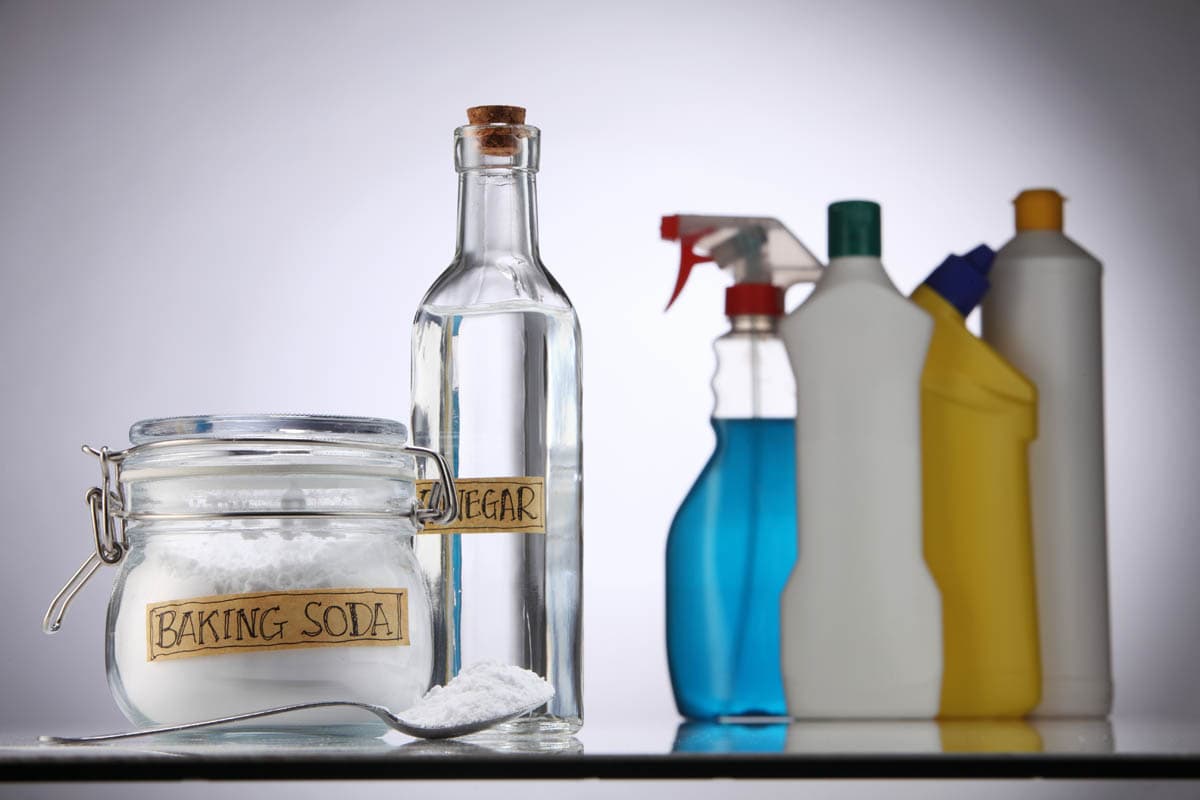
Cat urine odours can also be removed cheaply and effectively with common household items such as white vinegar, bicarbonate of soda and hydrogen peroxide.
How to locate cat urine
The simplest method is to locate cat urine stains, which can be done with the use of a black fluorescent light. Stains appear on furniture, walls, or carpet as a yellow splatter or spot. Black lights can be purchased from pet stores or eBay.
Homemade cat urine
White vinegar odour remover:
- 100ml white vinegar
- 200ml warm water
Place ingredients in a plastic spray bottle and shake well. Remove as much urine/spray as you can using paper towels. Mist the vinegar solution over areas of cat urine and rub with a paper towel. An alternative method is to mix the solution in a bucket and dip a clean cloth into the liquid. Rub the stain with the vinegar solution. After the vinegar dries, wipe away both solution and stain with warm water.
Hydrogen peroxide odour remover:
- 5.5oz (220ml) hydrogen peroxide
- 1 tablespoon baking soda
- 1 squirt liquid hand soap
Place ingredients in a plastic container and mix well with a plastic or wooden spoon. Apply the solution to the cat urine stain, then rinse well with warm water.
Bio-Zet laundry detergent:
Many cat owners and breeders in Australia use the laundry detergent Bio-Zet, which is an enzymatic clothes laundry detergent. This is good for spot cleaning.
- 1/4 cup Bio-Zet liquid (if you only have powder, add ingredients to the bottle and let it sit while the detergent dissolves)
- 2 cups cold water
Add Bio-Zet and water to a spray bottle, shake well, spray over the affected area.
How to remove cat urine from carpet
- Remove as much of the urine as possible by blotting the stain or wet area with paper towels. Don’t rub the area as you will push the urine further into the carpet. If the stain has already dried, moisten with warm water before beginning the stain removal process.
- Lay additional paper towels over the stain and gently press to absorb as much moisture as possible. Repeat several times until you have removed most of the urine.
- Apply any stain and odour removal product.
- For best results, choose a bacterial/enzyme cleaner that will remove all parts of the urine stain as well as the odour.
- Rinse with warm water, and dry.
How to remove cat urine from upholstery
- Blot stain with a paper towel and sponge with cold water.
- Blot away any excess moisture and clean the area with a solution made with two cups of warm water and one tablespoon vinegar.
- Apply a stain and odour remover that is a bacterial/enzyme cleaner.
What not to clean cat urine with
Avoid ammonia-based products. Cat urine contains ammonia, and cleaning urine with an ammonia product will just encourage your cat to return to the area.
Preventing spraying and inappropriate urination
If cat odour urine is a frequent problem, cat owners should take steps to prevent future recurrences. First, have the cat checked by a veterinarian who can identify any medical reason for urinating outside the litter tray or spraying. If medical causes are ruled out, there are several things that can minimise and prevent urine incidents.
Litter trays:
- Place litter boxes where the cat has been urinating.
- If it seems that the cat is spraying in response to outside stimuli such as other cats or animals, block the view.
- Make sure you have the right-sized litter tray; a tiny tray for a large cat is not going to work.
- Scoop litter trays twice a day to remove solids.
- Cats are extremely clean animals and don’t like using dirty litter trays. There should be one tray per cat, plus one spare. So if you have three cats, you should have four trays. Scoop solids at least once a day and completely empty and disinfect at least once a week.
Other:
- If cats use potted plants as a litter box, place a few pine cones or orange peel on top of the soil. Cats should avoid the plant if these scents are in place. You can also purchase cat deterrent sprays from your local pet shop which may be of use in preventing your cat from re-offending.
- Desex your cat. Entire cats are more likely to spray than altered ones.
Author
-
by
-